24 February, 2026
Category
winning-upwork-proposals
Author
Kyrylo Kozak
Winning Upwork Proposals: Templates vs Personalization Compared 2026
Struggling to stand out on Upwork in 2026? You are not alone. With more freelancers and agencies joining every month, competition for top clients is tougher than ever, and writing winning upwork proposals has become essential.
As the platform grows, so does the debate: should you rely on proposal templates to save time, or fully personalize each pitch to boost your chances? Mastering your proposal strategy can be the difference between landing high-value projects and being overlooked.
In this guide, we break down the pros and cons of each approach, share data-driven insights, explore real-world examples, and cover the latest trends in AI and automation. Whether you are a solo freelancer or agency leader, you will discover the most effective tactics for Upwork success in 2026.
Understanding Upwork Proposals in 2026
Freelancers and agencies face a rapidly changing environment on Upwork in 2026. As the platform grows, so do expectations for quality and relevance. To create winning upwork proposals, understanding these shifts is essential. This section explores the evolving landscape, what makes proposals stand out, the balance between templates and personalization, and the metrics that matter for proposal success.
The Evolving Upwork Landscape
Upwork has seen an 18 percent year-over-year increase in freelancers from 2023 to 2026. This surge means competition for projects, especially premium ones, is tougher than ever. Agencies are also joining the race, targeting high-value clients with more resources and specialized teams.
Upwork's algorithm has adapted, now prioritizing proposal relevance and client satisfaction scores. Clients expect tailored communication and specific solutions to their problems. Generic pitches rarely capture attention. There is a clear shift toward niche specialization in winning upwork proposals, with freelancers focusing their messages on targeted industries or project types.
What Makes a Winning Upwork Proposal?
Standing out in 2026 requires more than just speed. Winning upwork proposals align closely with client needs and job requirements. They clearly demonstrate relevant expertise, backed by measurable results or portfolio links.
A professional tone and error-free writing are non-negotiable. Including data, case studies, or testimonials boosts credibility. Timing also matters - proposals sent within two hours of job posting see 50 percent higher open rates. These factors collectively increase your chances of being shortlisted and ultimately winning upwork proposals.
The Role of Templates and Personalization
Templates use reusable structures with placeholders for details like client name or project title. Personalization means crafting custom content for each job or client. Both methods are popular for winning upwork proposals in 2026 because they balance speed and relevance.
Upwork recommends a hybrid approach: use templates for efficiency but personalize key sections to address the client's specific needs. For example, agencies may use templates for routine projects but personalize proposals for high-budget or specialized jobs. This flexibility helps maximize both volume and impact when submitting winning upwork proposals.
Key Metrics for Proposal Success
Tracking the right metrics is vital for improving your winning upwork proposals. Key performance indicators include open rates, reply rates, interview rates, and win rates. On average, template-based proposals have a 2–5 percent reply rate, while personalized proposals see 8–30 percent.
Time to send is another critical metric: templates can be sent in five minutes, but personalized proposals often take 20–40 minutes. According to Upwork Proposal Benchmarks 2026, high-performing freelancers and agencies consistently monitor and optimize these numbers. Regularly reviewing your performance data helps refine your approach and increases your chances of consistently creating winning upwork proposals.
Proposal Templates: Efficiency, Scale, and Pitfalls
For agencies and freelancers aiming for winning upwork proposals, templates are a double-edged sword. They offer rapid response times and consistency, but risk falling flat if not used strategically. As competition heats up in 2026, understanding the real impact of templates on proposal success is critical.
Advantages of Using Templates
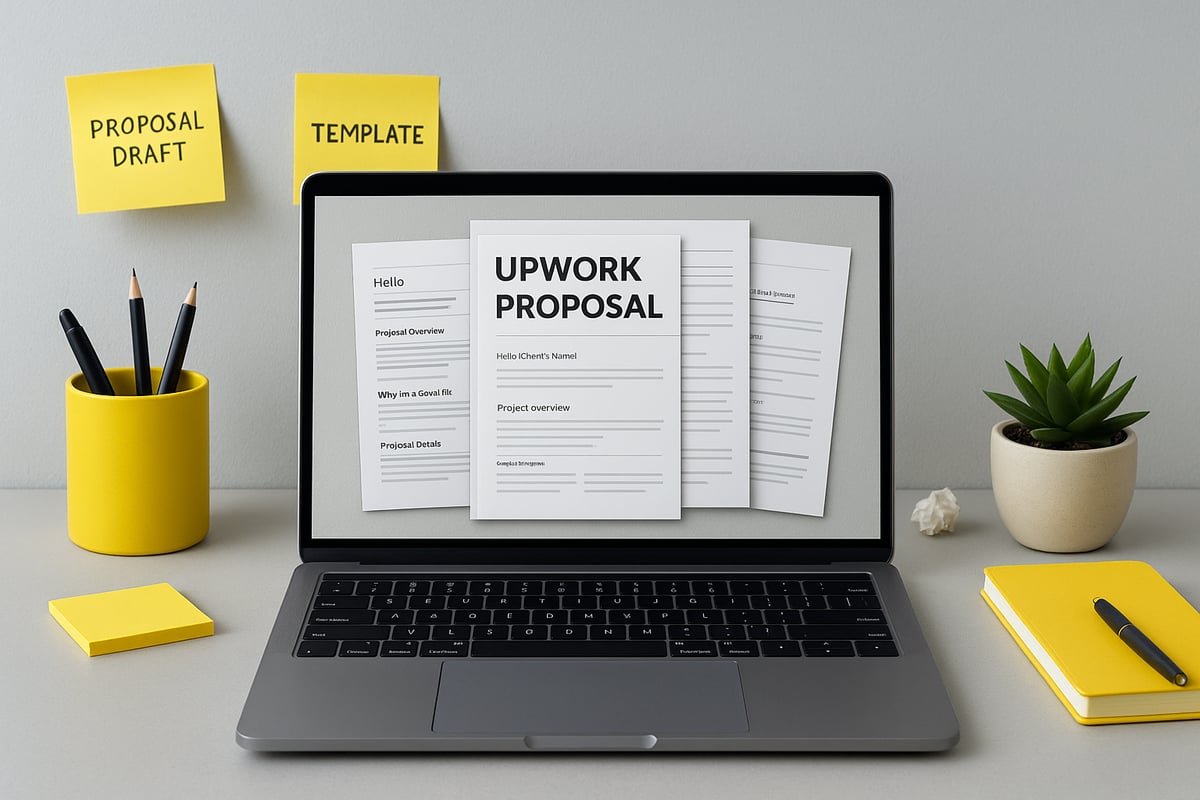
Templates are an essential tool for anyone seeking to scale their efforts with winning upwork proposals. The primary advantage is speed. With a solid template, agencies can submit up to four times more bids per day compared to crafting each proposal from scratch. This increased output can be a game-changer when competing for high-volume, lower-value projects.
Consistency is another key benefit. Templates help maintain a unified brand voice and messaging across all proposals, which is especially valuable for agencies with multiple team members. Onboarding new staff becomes easier, as they can quickly learn the structure and tone expected for winning upwork proposals.
Scalability is where templates truly shine. By streamlining repetitive tasks, agencies can target more opportunities without sacrificing professionalism. For example, one digital agency reported boosting their daily bids from 10 to 40 simply by standardizing their proposal process.
- Speed: More proposals in less time
- Consistent branding and messaging
- Easier team onboarding
- Scalable for high-volume bidding
This efficiency, however, is just one side of the winning upwork proposals equation.
Common Template Structures and Elements
The most effective templates for winning upwork proposals follow a clear structure. Typically, they open with a standardized greeting and introduction, quickly establishing professionalism. Next comes a pre-written value proposition tailored to the agency’s strengths.
Most templates include dedicated sections for portfolio highlights and client testimonials. These showcase past successes and build trust. A strong, actionable closing statement rounds out the template, guiding the client toward the next step.
Dynamic fields are a crucial feature. By inserting the client’s name, job title, and specific project details, templates can feel more personalized. This balance is key to avoiding the common trap of sounding generic.
- Standardized greeting and intro
- Pre-written value proposition
- Portfolio and testimonial sections
- Compelling call-to-action
- Dynamic fields for personalization
For real-world inspiration, see these Winning Upwork Proposal Templates that have helped freelancers secure major contracts.
Pitfalls and Limitations of Templates
Despite their advantages, templates can undermine your efforts for winning upwork proposals if used carelessly. The most significant pitfall is generic messaging. Clients are quick to spot boilerplate language and may dismiss your proposal as insincere.
Another risk is lower engagement. Data shows that template-heavy proposals often receive fewer replies, as clients seek tailored solutions. The Upwork algorithm has also evolved to deprioritize repetitive content, making it harder for template-only proposals to surface at the top.
Templates may hurt your agency’s reputation over time. If clients feel you are not genuinely interested in their project, trust is eroded. For example, an agency relying solely on templates saw their win rates decline steadily, despite increasing the number of bids.
- Risk of impersonal communication
- Lower client engagement and reply rates
- Algorithm deprioritization of repetitive content
- Reputation damage from overuse
To secure winning upwork proposals, avoid overreliance on templates and always add a personal touch.
Data-Driven Results: Templates in 2026
The numbers reveal the true impact of templates on winning upwork proposals. Industry benchmarks in 2026 show that template-based proposals typically yield a 2–5% reply rate and a 1–2% win rate. While these rates are lower than fully personalized proposals, templates remain valuable for specific scenarios.
Agencies often deploy templates for low-value or mass-bid projects, where speed trumps deep customization. However, overuse can hurt client trust and reduce your chances of winning upwork proposals in more competitive niches.
| Metric | Templates | Personalization |
|---|---|---|
| Avg. Reply Rate | 2–5% | 8–30% |
| Win Rate | 1–2% | Up to 10% |
| Time to Send | 5 min | 20–40 min |
Tracking these metrics is vital. Use Upwork’s analytics tools to monitor open rates and adjust your strategy for maximum results.
When Templates Make Sense
Templates are not a one-size-fits-all solution for winning upwork proposals, but they excel in certain contexts. For high-volume, low-value projects, templates enable you to maximize reach without investing excessive time in each bid.
They also work well for initial screening gigs or “foot-in-the-door” projects, where the main goal is to establish contact. New agencies or freelancers with limited resources can use templates to build momentum before shifting to more personalized approaches.
- High-volume, low-value projects
- Initial screening or short-term gigs
- Supplementing personalized outreach
- Agencies new to Upwork or scaling up
The smart approach is to blend templates with targeted customization, ensuring your winning upwork proposals remain efficient yet relevant.
Personalization: Impact, ROI, and Challenges
Standing out with winning upwork proposals in 2026 often comes down to how well you personalize your pitch. As competition intensifies, freelancers and agencies are realizing that generic messages rarely win trust or projects. Personalization is now a critical differentiator, directly influencing reply rates, client satisfaction, and overall ROI. Let’s explore what makes tailored proposals so effective, the tactics that work today, the real challenges you’ll face, and why data consistently supports a personalized approach.
Benefits of Personalizing Proposals
Personalizing your proposals is the foundation of winning upwork proposals. Tailored messages demonstrate that you’ve read the client’s brief and understand their unique needs. This approach builds trust and makes your expertise more relatable.
Key benefits include:
- Showing genuine interest in the client’s project and business
- Creating higher engagement and stronger initial rapport
- Positioning your skills as the exact solution to their problem
- Increasing perceived value and professionalism
For example, one freelancer specializing in SaaS landing pages reported a 30% reply rate after customizing every proposal. This result outperformed their previous template-based strategy, proving that even small details can make a big difference.
Personalization Tactics That Work in 2026
To achieve winning upwork proposals, successful freelancers use several key personalization tactics. The most effective strategies in 2026 include:
- Referencing specifics from the job description, such as project goals or required tech stacks
- Addressing the client’s pain points directly in your opening lines
- Linking to relevant portfolio items or case studies that match the client’s industry
- Suggesting unique solutions or creative ideas tailored to the project’s scope
- Including a short, personal video or audio introduction for a memorable touch
If you want to balance efficiency with quality, consider Personalizing Proposals at Scale. This guide breaks down how to use templates as a starting point, then layer in custom insights for each client - ensuring your winning upwork proposals remain both speedy and highly relevant.
Challenges and Drawbacks of Personalization
While personalization is vital for winning upwork proposals, it comes with its own set of challenges. Customizing each message can take 20 to 40 minutes, which adds up quickly for agencies or freelancers bidding on multiple jobs daily.
Other common drawbacks include:
- Limited scalability for teams handling high proposal volumes
- Inconsistent tone or quality when multiple team members are involved
- Risk of burnout from constant creative effort, especially during busy bidding periods
It’s essential to find a workflow that balances quality and efficiency, so you can continue delivering impactful, winning upwork proposals without sacrificing your well-being or productivity.
Data-Driven Results: Personalization in 2026
The numbers behind personalized approaches to winning upwork proposals are hard to ignore. According to Upwork Insights 2025:
- Personalized proposals see reply rates between 8% and 30%
- Win rates are up to five times higher than template-only submissions
- One agency doubled its monthly revenue after switching from mass templates to fully customized proposals
- There is a strong correlation between personalization depth and higher client satisfaction scores
These data points make it clear: if you want more interviews, higher win rates, and better long-term clients, investing in personalization is the proven path.
When Personalization is Essential
Personalization isn’t always optional if you’re serious about winning upwork proposals. It’s critical in these scenarios:
- High-value or long-term project opportunities where the client expects a tailored approach
- Niche or specialized roles with fewer qualified applicants
- Proposals to repeat clients or for “invite-only” jobs, where relationships matter most
- Building partnerships for ongoing work, not just one-off gigs
In these cases, taking the time to craft a thoughtful, customized message can be the deciding factor between getting hired or being overlooked. The best winning upwork proposals are always the ones that feel like they were written just for the client.
Automation and AI: Bridging Templates and Personalization
Artificial intelligence is reshaping how agencies and freelancers approach winning upwork proposals in 2026. With competition at an all-time high, automation is no longer optional - it is the lever that bridges efficiency and personalization at scale.
Platforms powered by AI now analyze job posts, generate tailored responses, and help teams deliver more relevant proposals faster than ever. This section explores how automation and AI are transforming proposal workflows, offering both opportunities and challenges for those seeking consistent success on Upwork.
The Rise of AI in Upwork Proposal Creation
The rapid adoption of AI has become a defining factor for agencies aiming to scale their winning upwork proposals strategy. In 2026, natural language processing tools can scan job descriptions, highlight client needs, and suggest relevant portfolio samples - all in seconds.
More than 60% of top-performing agencies now use AI to automate parts of their proposal process. These tools do not just generate text; they analyze job fit, predict client preferences, and help freelancers submit proposals within the critical two-hour window.
AI’s ability to learn from previous wins and losses means proposal quality improves over time. This evolution gives teams a substantial edge in crafting winning upwork proposals that stand out amid hundreds of submissions.
How Platforms Like GetMany Empower Agencies
Platforms like GetMany are at the forefront of helping agencies master winning upwork proposals at scale. By automating up to 80% of the proposal workflow, GetMany enables teams to generate personalized responses for each job, not just generic templates.
Cover Letter Builder
GetMany's Cover Letter Builder: Personalization at Scale
One of GetMany's standout features is the Cover Letter Builder, which revolutionizes how agencies approach winning upwork proposals. The system uses a unique [[double bracket]] instruction method that allows agencies to create templates with dynamic, personalized content that adapts to each job posting.
Here's how it transforms the proposal process:
- Smart AI Instructions: Write plain text for static content, then add [[double bracket instructions]] for AI to generate personalized sections based on job details, client tone, and project requirements.
- Speed Without Sacrifice: Reduce proposal creation time from 30-60 minutes to just 5-10 minutes while maintaining quality and personalization.
- Real-World Testing: Preview AI-generated proposals using actual Upwork job postings before sending, ensuring every proposal hits the mark.
- Proven Results: Agencies using the Cover Letter Builder report:
- 2.5x higher response rates compared to template-only approaches
- 50+ personalized proposals per week without team burnout
- reply rates of 8-30%, significantly outperforming the industry average of 2-5%
The platform offers pre-built templates (All-Purpose, Case Study Focused, etc.) or the flexibility to build custom templates from scratch. This hybrid approach combines the efficiency of automation with the impact of personalization - exactly what's needed for winning upwork proposals in 2026.
On average, agencies using GetMany save 30 hours per week and see reply rates jump to 8–30%, compared to the industry average of 2–5% for template-only approaches. With over 300 agencies worldwide leveraging this hybrid AI model, the impact is clear: more bids, higher quality, and better client engagement.
GetMany's algorithms pull in client data, analyze job requirements, and pre-fill proposals with tailored insights. Human editors can then refine the drafts, ensuring each proposal remains authentic and effective for winning upwork proposals.Benefits and Challenges of Proposal Automation
Want to see how the [[double bracket]] system works in practice?
Adopting automation in your winning upwork proposals strategy brings major advantages:
- Speed: Submit more proposals in less time.
- Consistency: Maintain tone and branding across all submissions.
- Personalization: Use data-driven insights to tailor each proposal.
- Scalability: Handle high bid volumes without sacrificing quality.
However, there are challenges to navigate. Over-automation can make proposals sound robotic, risking the loss of personal touch. Human oversight remains critical to catch errors and ensure each proposal feels genuine.
For a deeper dive into the trade-offs between automation and manual effort, see Automation tools vs manual proposals.
Balancing automation with human review is essential for maintaining the quality and impact of winning upwork proposals.
Hybrid Approaches: The Best of Both Worlds?
Hybrid models are emerging as the preferred strategy for agencies focused on winning upwork proposals. By combining AI-generated templates with dynamic personalization, teams can customize key sections - such as the introduction, solution, and call-to-action - while streamlining repetitive tasks.
Data shows that hybrid proposals outperform pure templates by two to three times in win rates. Agencies often use AI to draft the structure, then have a human editor inject niche expertise or unique ideas.
This workflow allows agencies to submit 30–50 high-quality bids per day, compared to 5–15 if written manually. Hybrid approaches strike the right balance between efficiency and the custom touch that clients value in winning upwork proposals.
Future Trends: What’s Next for Proposal Creation?
Looking ahead, several trends are set to further transform how professionals approach winning upwork proposals:
- Predictive analytics will help optimize proposal content before submission.
- AI-generated voice and video proposals are becoming more common, adding a personal dimension.
- Deeper integration with CRM and project management tools will streamline workflows.
- Continuous learning from proposal performance data will refine strategies over time.
Staying ahead of these trends will be crucial for agencies and freelancers aiming to secure more projects and grow their reputation through winning upwork proposals.
Templates vs Personalization: Side-by-Side Comparison
Choosing between templates and personalization is crucial for winning upwork proposals in 2026. With evolving client expectations and platform algorithms, agencies and freelancers must weigh efficiency against impact. Let us break down the direct comparison.
Comparison Table: Templates vs Personalization in 2026
Below is a clear, data-driven table to help you assess which approach best fits your winning upwork proposals strategy:
| Factor | Templates | Personalization |
|---|---|---|
| Speed | 5 min/proposal | 20-40 min/proposal |
| Reply Rate | 2-5% | 8-30% |
| Win Rate | 1-2% | Up to 5x templates |
| Scalability | High | Moderate |
| Client Perception | Generic | Tailored/Expert |
| Best Use Cases | Low-value, mass bids | High-value, niche |
The table above summarizes the main differences, making it easier to optimize your process for winning upwork proposals.
Key Metrics and Performance Benchmarks
To maximize winning upwork proposals, you must track essential metrics. Time to submit is a core factor: templates average 5 minutes, while personalized approaches take 20-40 minutes. Reply rates for templates hover at 2-5%, with win rates at 1-2%. In contrast, personalized proposals can reach 8-30% reply rates and up to 10% win rates.
Cost per proposal is also critical. Templates allow more volume but may have a lower return on investment. Agencies often use Upwork Insights and tools like Mastering Upwork bidding strategy to analyze conversion data and refine their workflow for winning upwork proposals.
Use Case Scenarios
Different scenarios demand different approaches for winning upwork proposals. Solo freelancers seeking high-ticket, specialized projects benefit from deep personalization. Agencies aiming for volume, especially on low-budget or one-off jobs, often rely on templates. For repeat clients or “invite-only” projects, personalization builds trust and long-term value.
Hybrid strategies are rising, blending template efficiency with custom touches for winning upwork proposals. Evaluate your client type, project value, and available resources to choose the best method.
Real-World Examples and Case Studies
Consider these real-world cases to boost your winning upwork proposals strategy. Agency A used only templates, submitting 40 bids daily but saw declining win rates and client engagement. Agency B personalized every proposal, with fewer submissions but achieved a 30% reply rate and doubled their revenue.
For a practical edge, review Upwork proposal sample ideas. These actionable samples can help you craft proposals that stand out, combining speed and relevance for more winning upwork proposals.
Expert Insights and Industry Perspectives
Experts agree that balancing efficiency and customization is vital for winning upwork proposals. Upwork’s latest recommendations highlight the importance of relevance and client satisfaction. Analysts predict hybrid and AI-powered workflows will continue outperforming single-method approaches.
Top agencies suggest tracking win/loss data, iterating on proposal content, and staying current with Upwork’s evolving guidelines. The most successful freelancers and agencies consistently adapt their strategies to secure more winning upwork proposals.
Actionable Strategies for Winning Upwork Proposals in 2026
Striving for winning upwork proposals in 2026 requires a clear, data-driven approach. With increased competition and evolving client expectations, agencies and freelancers must refine their workflows, leverage technology, and continuously optimize their strategies. The following actionable steps will help you stay ahead and maximize your proposal success.
Building a Winning Proposal Workflow
Start by auditing your current process for winning upwork proposals. Map out each step from job discovery to submission. Identify bottlenecks such as slow response times, inconsistent messaging, or lack of performance tracking.
Decide when to use templates, fully personalize, or automate. For high-value projects, invest time in customization. For quick-turnaround gigs, a refined template may suffice. Set clear KPIs: track open rates, reply rates, and win rates for every proposal type.
Regularly review your results and learn from both wins and losses. For a deeper dive into common pitfalls, explore Common proposal mistakes to avoid. This can help you pinpoint errors that undermine even the strongest winning upwork proposals.
Tips for Effective Personalization at Scale
Scaling personalization is vital for winning upwork proposals, especially as clients demand tailored communication. Use AI tools to pre-fill proposals with relevant job and client data, allowing you to maintain a personal touch without starting from scratch every time.
Maintain a library of customizable assets, such as case studies, tailored introductions, and solution statements. Train your team on best practices, ensuring that everyone understands how to personalize efficiently.
Develop checklists for job-specific references and client pain point identification. This structure helps keep your proposals both efficient and genuinely compelling, increasing your chances of winning upwork proposals even as your volume grows.
Maximizing Efficiency Without Sacrificing Quality
Balancing speed and quality is key for winning upwork proposals. Batch your proposal writing into focused sessions to minimize context switching and boost productivity. Automate repetitive tasks like job searches or initial drafts using trusted AI platforms.
Schedule regular reviews of your proposal performance data. Look for trends in open and reply rates to identify what’s working and what needs adjustment. Never compromise on professionalism or accuracy; even with automation, every proposal should reflect your brand’s quality standards.
Staying organized and methodical ensures that your winning upwork proposals remain effective as you scale.
Tools and Resources for Upwork Agencies and Freelancers
The right tools are essential for delivering winning upwork proposals at scale. GetMany's Cover Letter Builder demonstrates how AI can save agencies up to 30 hours per week while maintaining personalization - achieving reply rates of 8–30% for over 300 agencies worldwide.
- How Cover Letter Builder works:
- Write your template once using [[double bracket]] AI instructions
- Test on real Upwork jobs before sending
- Generate personalized proposals in 5-10 minutes instead of 30-60
- Scale to 50+ proposals/week without sacrificing quality
AI-driven solutions like this bridge the gap between efficiency
and personalization - exactly what agencies need for winning upwork
proposals in 2026.
Leverage Upwork’s built-in analytics to monitor and optimize every proposal. Invest in ongoing training through expert blogs, webinars, and community groups. Collaborate with peers in forums to share insights and refine your approach.
Staying informed and equipped with the latest resources ensures that your strategy for winning upwork proposals is always a step ahead.
Ready to Transform Your Proposal Process?
You've seen the data: personalization drives 2-5x better results, but manual proposals kill your productivity. That's exactly why we built GetMany's Cover Letter Builder.
Write your template once. Let AI personalize it for every job. Send 50+ winning proposals weekly without the burnout.
Over 300 agencies are already using [[double bracket]] instructions to generate proposals that feel hand-written but take just 5-10 minutes. Your next winning proposal is one template away.